On Saturday, the young waiter at the sidewalk café wanted to practice his English. This is common now in Seville, and at first he did well. Rich and I ordered a platter of scrambled eggs with asparagus, ham, and shrimp that was big enough to share. The waiter nodded, returned with two plates and a bread basket, then said, “You do not need forks, do you?
Instantly I pictured myself scooping up handfuls of scrambled egg and stuffing stray asparagus spears into my mouth with my fingers.
I stared at him blankly, he repeated the question about the forks, and then added something that I swear sounded like, “For the sex.” Huh? What exactly did he think we were doing with those eggs?
Glancing in the bread basket, I saw we already had forks, and pointed this out. He looked mortified and said, “No, no, I am very sorry, I meant knives. You do not need
knives
.” I agreed we did not. And decided not to press him further on the question of sex. Young people are so easily embarrassed.
The really astonishing thing about this conversation was that it was somebody else butchering the language. I’ve been on the other end of countless similar confusions over the years. How well I remember one Spanish class that went like this:
Teacher, holding up a flash card:
“¿Que hace ella?”
(What is she doing?)
Me, after a long pause:
“¿Cepilla su pollo?”
(Brushing her chicken?)
Rich, after a longer pause:
“¿Camino su pelo?”
(Walking her hair?)
Whenever I get lost in a welter of linguistic or cultural confusion — and yes, even after all these years, it happens — I pause a moment, recall that day in class, and picture a woman brushing her chicken. It makes me chuckle, if only to myself, and then I’m calm enough to marshal the known facts so I can get a handle on the moment. On Saturday I knew that A) this was a respectable, old-school Spanish eatery, B) nobody in Seville eats scrambled eggs with their fingers, and C) whatever else was about to happen, it was unlikely to involve sex. At least not right there at my café table.
Like that conversation with the waiter, I find much of the world feels nonsensical and
cattywampus
these days. How do we keep from feeling confused and
bumfuzzled
?
The
New York Times
recently
polled its readers about small rituals
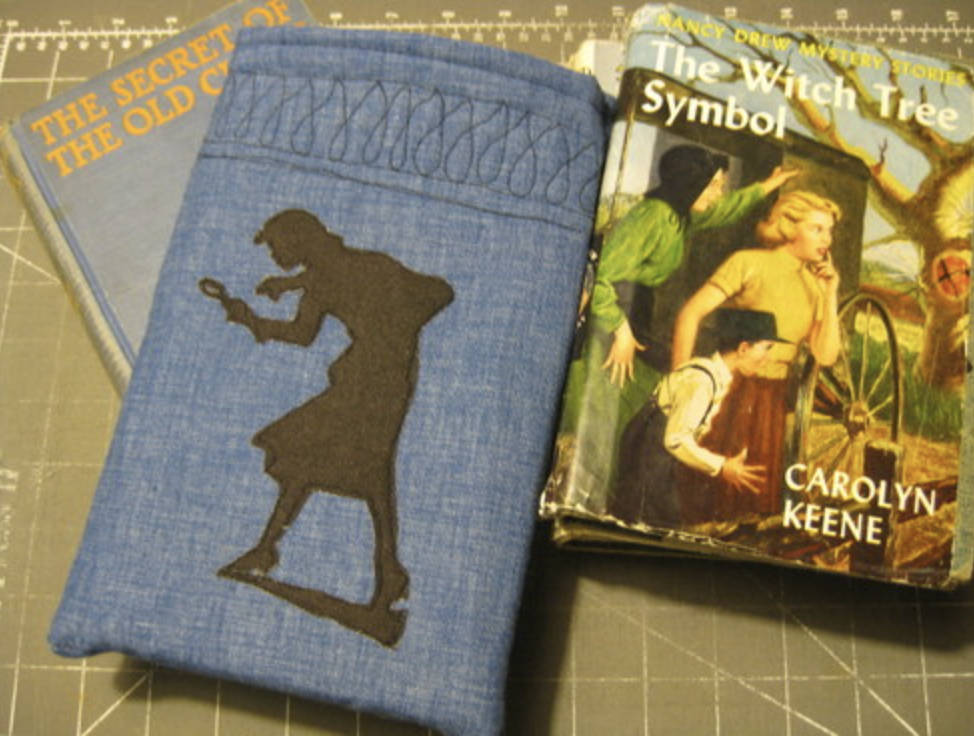
that help them keep their mental and emotional balance. One woman reads a Nancy Drew book for five minutes before bed. Another sits in a recliner, petting her cat, after dinner. There’s a reader who counts yellow doors, keeping a tally during daily walks. One couple spends a half hour each morning watching birds flutter around the backyard feeder.
Everybody had some small daily ritual they considered vital for keeping their sanity.
Rich recently revealed he loves doing the dishes after every meal. “I don’t think of anything,” he says. “It’s very relaxing.” Being a supportive wife, I am naturally encouraging him to indulge in this habit frequently. Three times a day, in fact. For his own good, of course.
Unfortunately, our routines tend to go out the window when we travel. Rich doesn’t always have a kitchen full of dirty dishes available. It’s not practical to bring your cat everywhere or pack the backyard birdfeeder in your carry-on. We travelers have to get creative about coming up with alternatives. “We’re allowed to make up rituals,” said author Elizabeth Gilbert. “We’re here to find meaning, and meaning is the way we make sense out of chaos. Do whatever you need to do to transition safely from one point in your life to the next.”
Of course, there’s a fine line between ritual and superstition. Actress Jennifer Aniston, Duncan James of the boy band Blue, and Kit Harrington, who played Jon Snow in
Game of Thrones,
all tap the outside of the airplane before getting on board; each has their own specific number of raps, and Aniston always boards right foot first. Hey, whatever gets you through the flight.
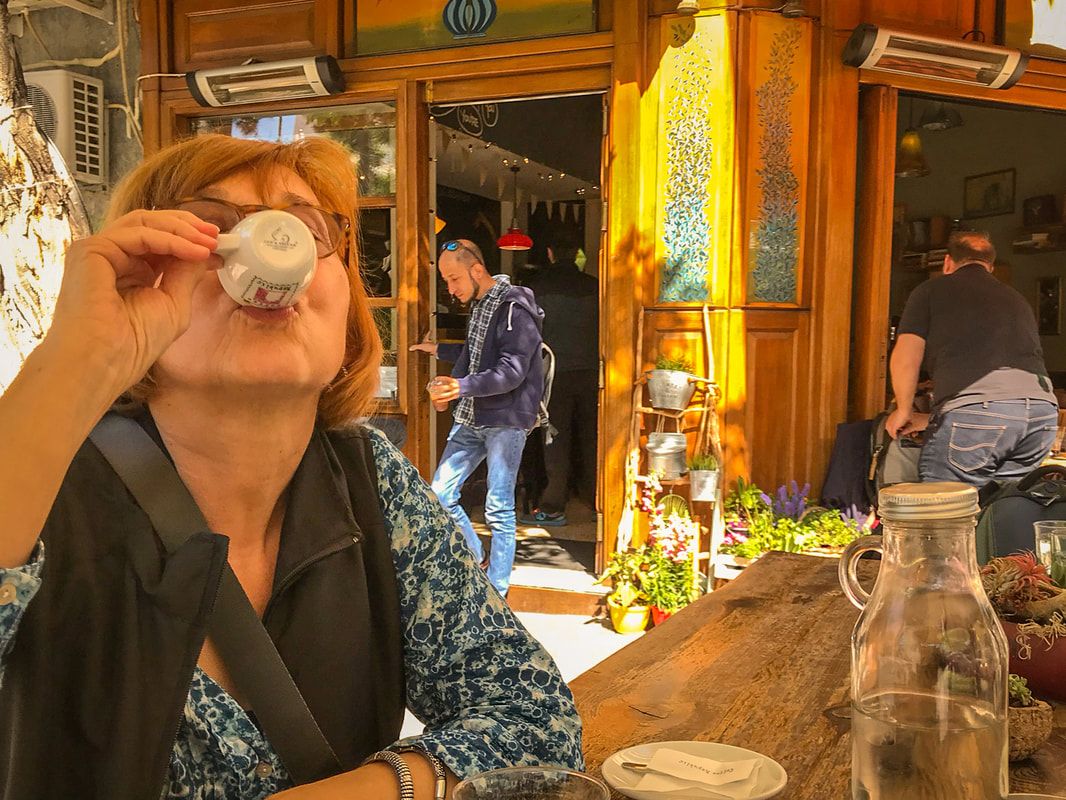
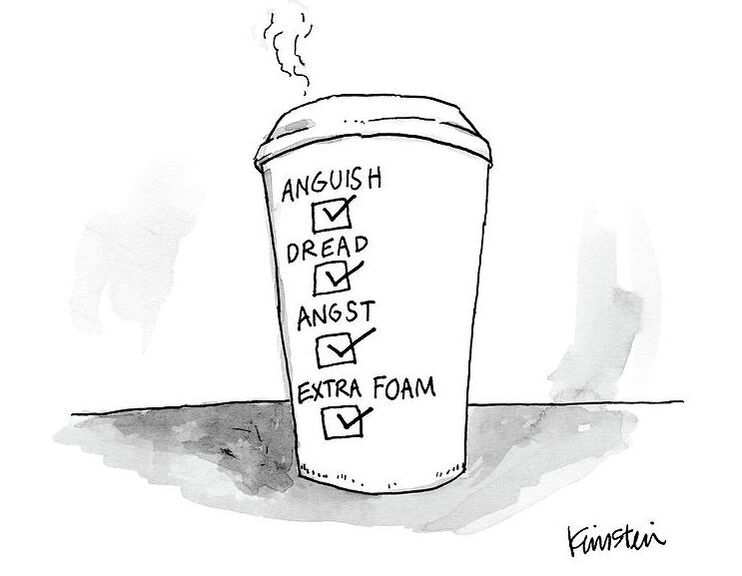
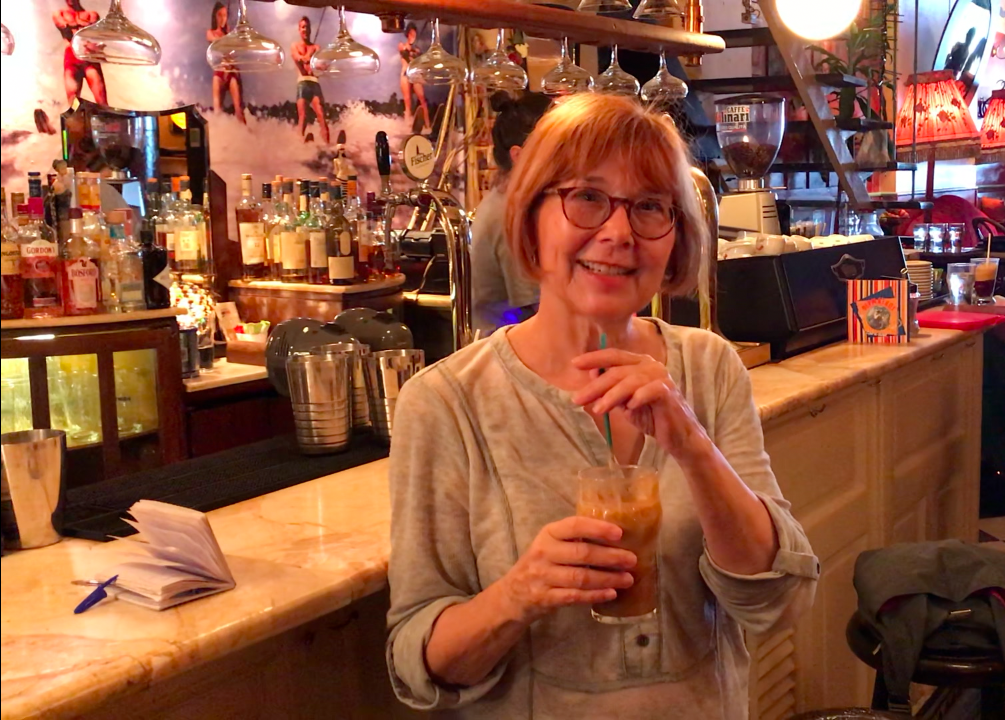
One of my rituals is well known to my regular readers: the recombobulation coffee. The moment I step off a plane or train, I’m looking for a café where I can sit down, sip something, and regroup. There’s the practical side, such as making sure I have the address of my lodgings and enough local currency to get there. But it’s also a way of reminding myself the headlong rush of getting there is over. Now it’s time to be there; I try to tune into the moment and connect with my new surroundings.
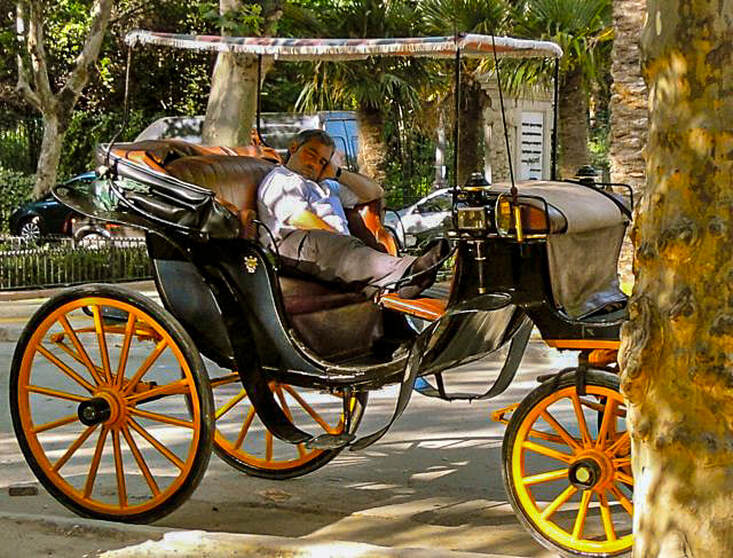
I have another small ritual for settling into my room: I immediately place my Kindle and sleep mask next to the bed. I may not need nightly doses of Nancy Drew (although she and I are old and dear friends), but reading before sleep is a deeply ingrained habit. And how’s this for luck? I get to do it twice a day, as my most essential ritual is
taking siestas
. American friends tend to roll their eyes and suppress a snicker when I say this. But just ask the
NASA astronauts
, executives
wanting to boost productivity
, and the
longest-living people on the planet
about the value of resting each afternoon. It’s a lifesaver, and thankfully it can be done just about anywhere.
Whatever our personal rituals, they are vital to our happiness. Why? Scientists and spiritual teachers agree it’s because they offer a sense of predictability in a topsy-turvy world. They let us know we are exactly where we need to be, doing just what we need to be doing, at precisely that moment. We come away more grounded, relaxed, and confident, able to see things more clearly, from a broader perspective.
Harvard research shows that rituals alleviate the natural grief that comes with loss, including
homesickness and the head-spinning, out-of-control, what-happened-to-my-reality sensations
we sometimes experience in foreign places. Especially while having surreal conversations with strangers about eggs, forks, sex, and brushing chickens. Taking time to identify our own rituals, or create new ones to take with us on the road, can help us relax and reconnect with the sense of joy and adventure that caused us to travel in the first place.
WELL, THAT WAS FUN. WANT MORE?
If you would like to subscribe to my blog and get notices when I publish,
just send me an email. I’ll take it from there.
[email protected]
Yes, my so-called automatic signup form is still on the fritz.
Thanks for understanding.
YOU MIGHT ALSO ENJOY
HOW SIESTAS ARE GOOD FOR US
HOW BEER IS GOOD FOR US
HOW COFFEE IS GOOD FOR US
Leave a Reply