

“In my default mode, I’m mildly to severely aggravated more than 50 percent of my waking hours,” writes A. J. Jacobs in
Thanks a Thousand
. “That’s a ridiculous way to go through life. I don’t want to get to heaven (if such a thing exists) and spend my time complaining about the volume of the harp music.”
This is just one tiny example of the abundance of wisdom that has come my way since I wrote last week about Rich’s happiness course. It turns out friends, relatives, long-time readers, new readers, total strangers, and authors both ancient and modern all have juicy stuff to share on the art of living. My friend Sandra sent me a quote that resonated with a lot of us: “Be content to seem what you really are.” Yes! Kudos to second century stoic philosopher and Roman emperor Marcus Aurelius for that one. He also said (as I learned from Googling the guy), “The art of living is more like wrestling than dancing,” and “The object of life is not to be on the side of the majority, but to escape finding oneself in the ranks of the insane.” Words to live by!
I’ve spent much of the last week following up on quotes and suggested readings, and it’s been, frankly, pretty wonderful. I learned that the
Science of Happiness course
Rich just completed was inspired by
positive psychology
, which suggests that instead of constantly focusing on society’s scariest minds (serial killers, psychotics, the Kardashians), maybe we should start studying the strengths that enable individuals and communities to thrive and enjoy themselves. What a concept!
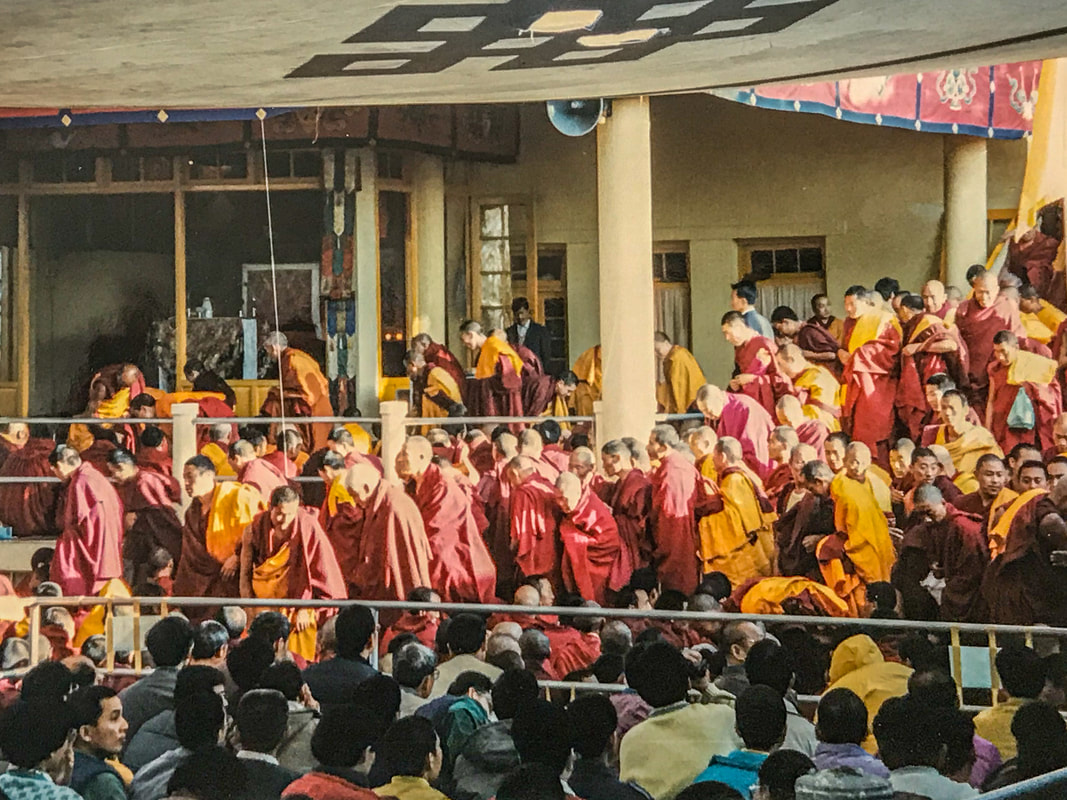
“The ultimate source of happiness is simply a healthy body and a warm heart,” said the Dalai Lama in the conversation with Desmond Tutu chronicled in
The Book of Joy
, recommended by my friend Alice. “If you have an open heart and are filled with trust and friendship,” said Archbishop Tutu, “even if you are physically alone, even living a hermit’s life, you will never feel lonely.” Encouraging words for those of us who have been living in a state of isolation that would have been unthinkable a year ago.
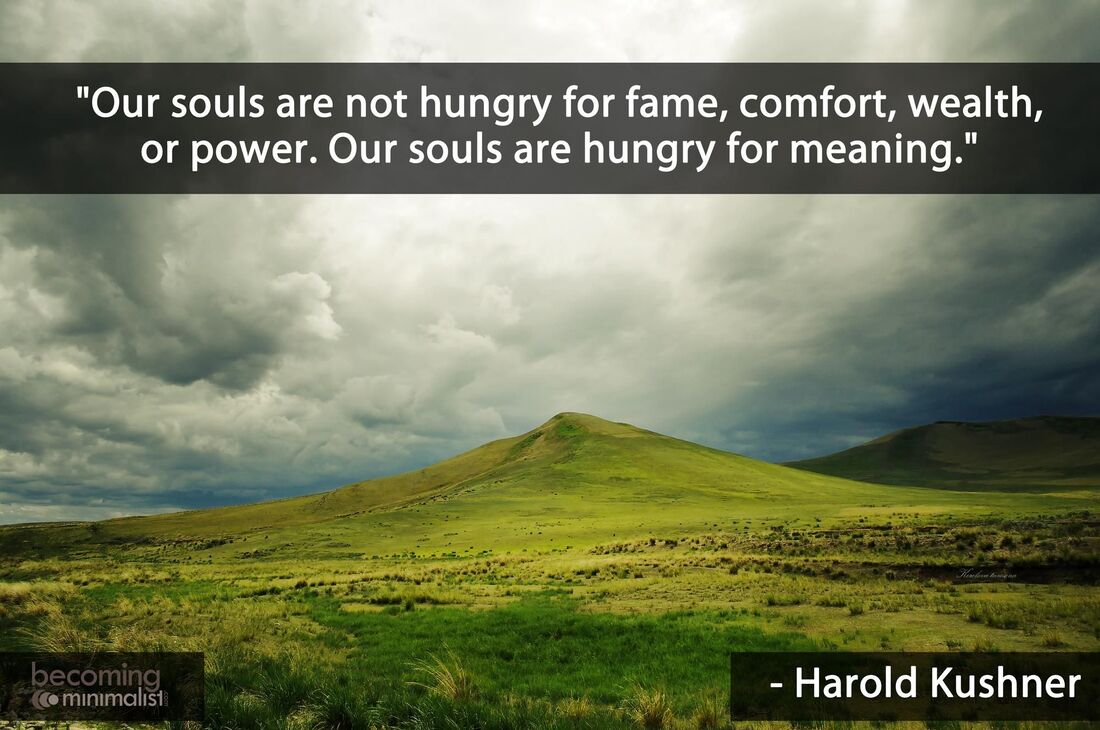
Even surrounded by all this wisdom, living rich emotional and spiritual lives isn’t easy. How do we open our hearts? I found some ideas in a book my sister Kate told me about:
The Joy Diet
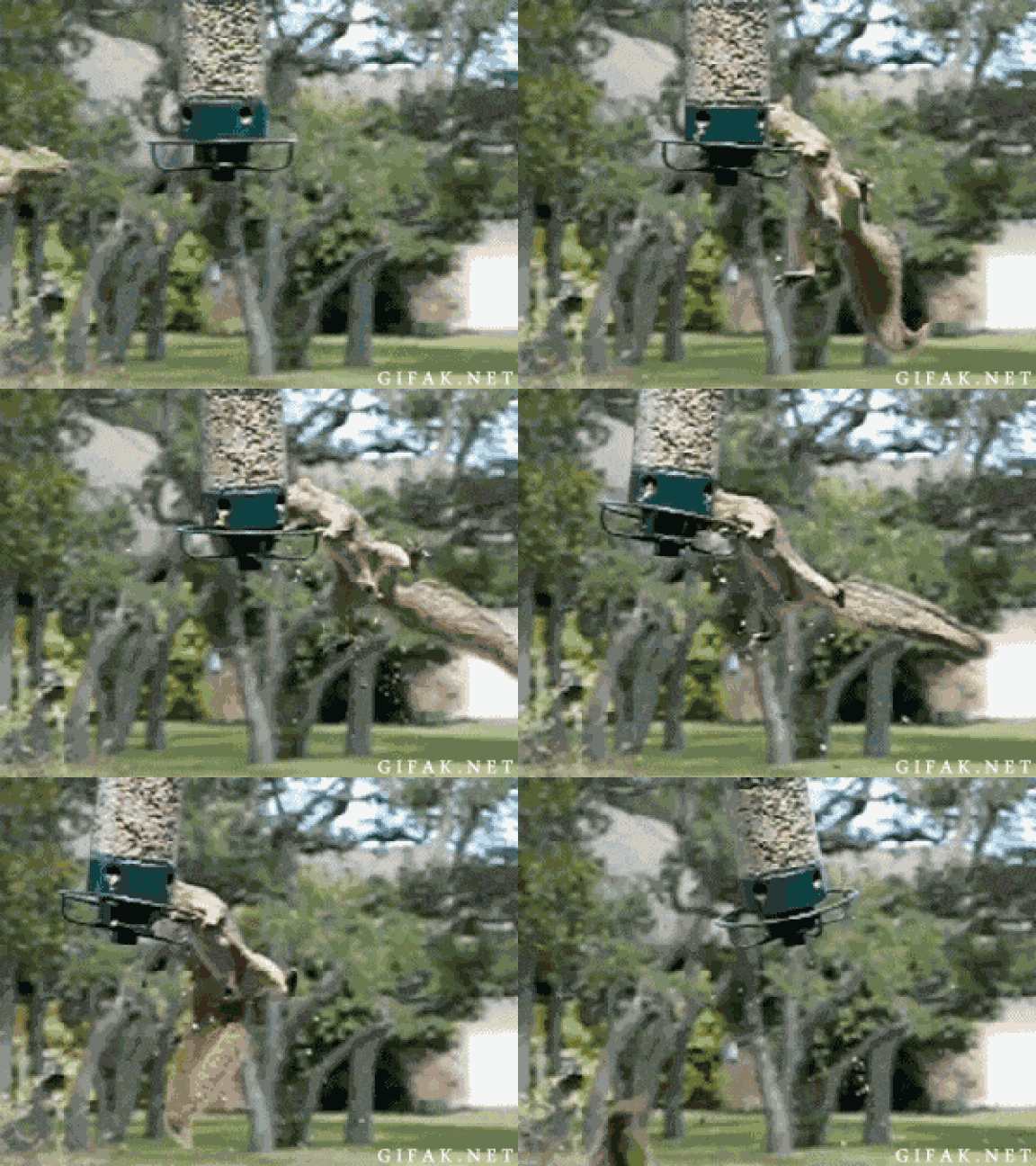
, by Oprah’s life coach, sociologist Martha Beck. Disappointingly, this isn’t a primer on eating more chocolate, drinking more red wine, and chomping on more deep-fat fried pasta (yes, it’s a thing). Beck explains, “When the word diet first entered the English language, back in 1656 when I was just a girl, it didn’t refer to food intake. It meant ‘a way of living or thinking.’” And that’s the real challenge. Because, as she points out, “The typical human mind is like a supercomputer possessed by the soul of a demented squirrel.” Boy, can I relate.
“The components of the Joy Diet,” I read, “create a direct connection between your conscious mind and your deep self, the part of you that knows the purpose of your life and how to achieve it.” Well, that sounded promising. Beck strongly, STRONGLY recommended working with each of the ten “menu items” for at least a week before going on to the next. I decided to give it a try and started with the first, deceptively simple one, at six o’clock Thursday morning.
I spent 15 minutes doing nothing.
OK, that’s not 100% true; I sat in a big comfy chair and sipped coffee. The idea is to create distraction-free time, detached from busyness and devices. While some might turn to meditation or prayer, others find that quiet walks or simple actions, like folding cloth napkins or sipping tea, bring stillness to the soul. “Perpetually doing,” says Beck, “without ever tuning in to the center of our being, is the equivalent of fueling a mighty ship by tossing all its navigational equipment into the furnace.”
The results? I haven’t achieved nirvana, but my days feel a little more spacious, and I appreciate my coffee in new ways. Which is why I was overjoyed to discover my next hot read:
Thanks a Thousand: A Gratitude Journey
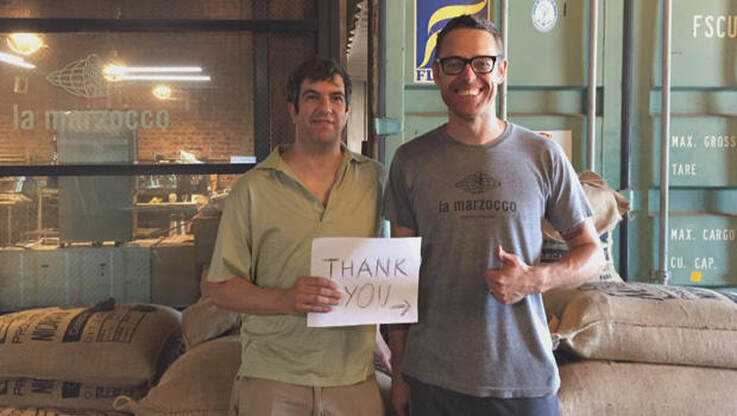
, in which author A. J. Jacobs set out to thank every single person involved in producing his morning coffee, from his local barista to Colombian growers.
Jacobs discovered coffee is “one of the most mind-boggling accomplishments in human history … it makes the Panama Canal look like a third grader’s craft project.” He thanked a thousand workers, interviewing many, learning why the wrong shaped lid can make your coffee “taste like cat piss,” what makes New York’s water so delicious (low calcium), and how delicate you have to be processing coffee beans (very).
He became astonished by the level of interconnectedness and cooperation required. “Almost everything good in the world is the result of teamwork,” he notes. “Consider the polio vaccine…” Or the Covid-19 vaccine, which took approximately every PhD on the planet to develop, and many thousands of others — including chemists, lab techs, truck drivers, refrigerator manufacturers, nurses, and pharmacists — to deliver to my left shoulder. I am grateful to each and every one of you!
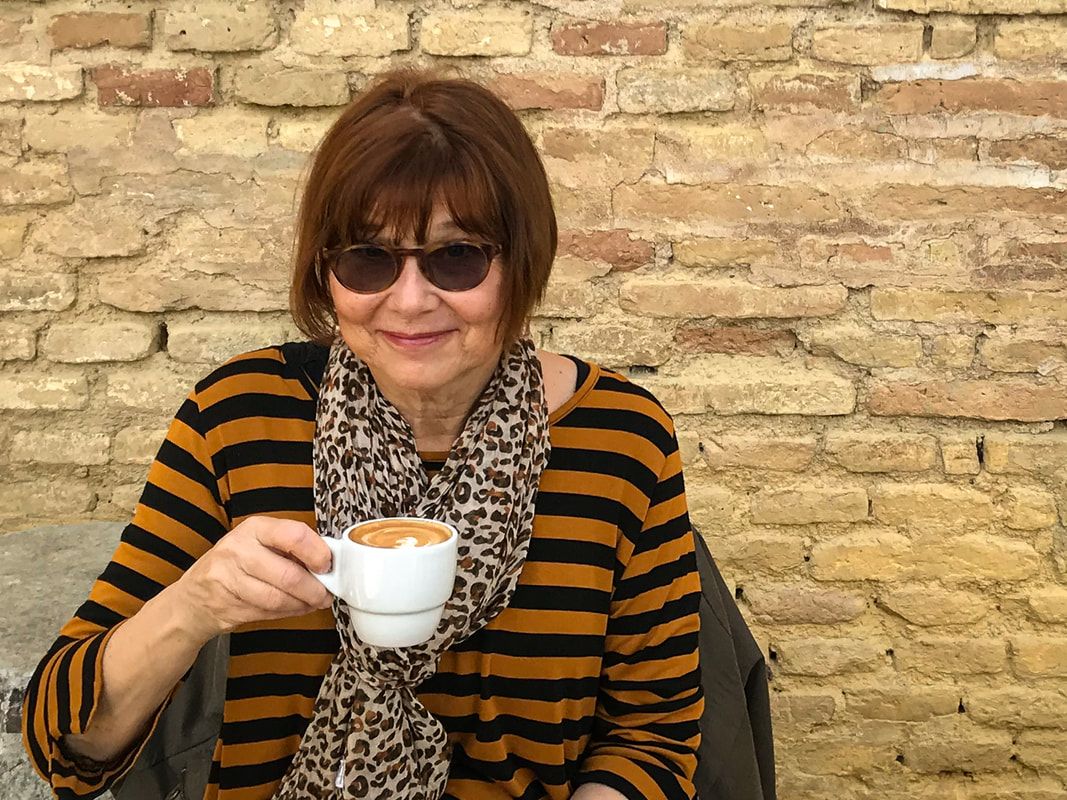
Every morning, when I sit down with my coffee and do nothing for 15 minutes, I am awed by the small miracle filling the warm cup I’m cradling in my hands. “Gratitude has a lot to do with holding on to a moment as long as possible,” says
Scott Barry Kaufman
, scientific director of The Imagination Institute in the Positive Psychology Center at the University of Pennsylvania. “It’s closely related to mindfulness and savoring. Gratitude can shift our perception of time and slow it down. It can make our life’s petty annoyances dissolve away, at least for a moment.”
In a couple of days, I’ll learn what Beck has in store for me in Step 2 of the Joy Diet. I’ve heeded her warnings and resisted the temptation to skip ahead. If Rich and the other great minds I’ve encountered lately have taught me anything, it’s the importance of slowing down and appreciating what’s in front of me before rushing on to the next thing. Gratitude needs time and space to flourish.
Shéa, one of my long-time readers, puts it this way: “Gratitude lists and learning to view ‘difficulties’ as challenges and learning experiences literally changed my life. I was such an unhappy person and never seemed able to accomplish what I wanted to in life. But then I stopped worrying about being happy and focused on being grateful, learning, experiencing, and growing. I started pursuing my goals instead of happiness itself. And guess what? BOOM! Happiness. I am a genuinely happy person and I am living the most amazing life I never could have dreamed of. Okay, yeah, there’s stress now and then, of course. Injustices infuriate me. But I face the world with determination and joy every day, because I freaking LOVE being alive!”
And isn’t that the whole point?
YOU MIGHT ALSO ENJOY
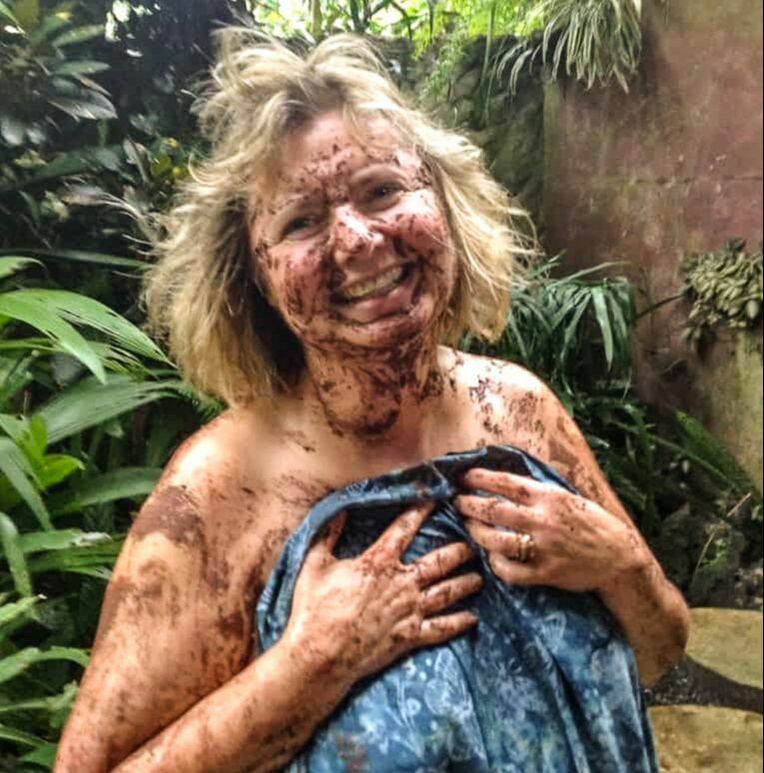
WILL TRAVEL FOR CHOCOLATE
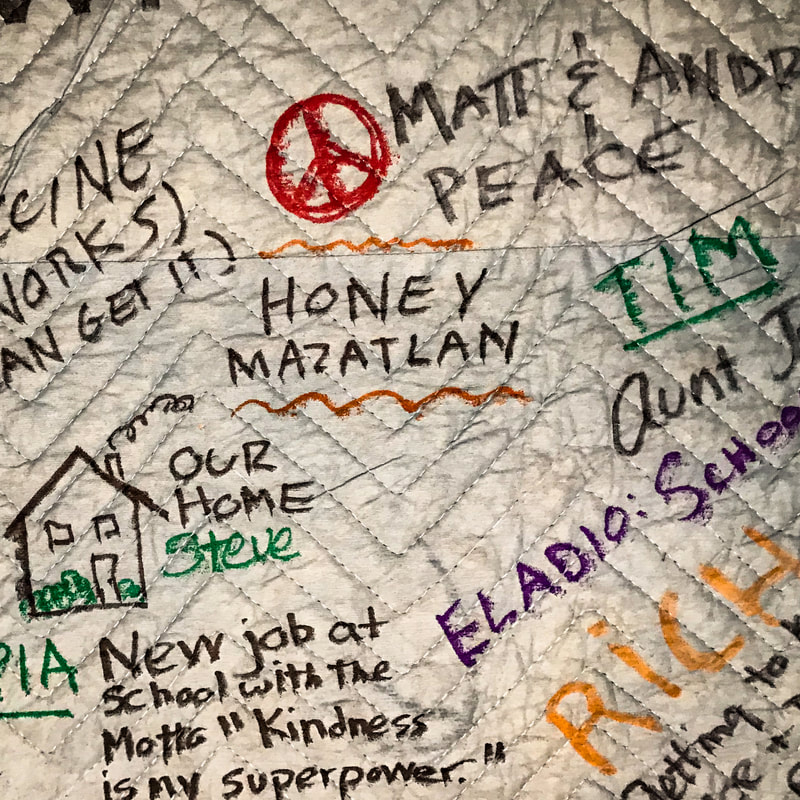
MY 2020 GRATITUDE QUILT
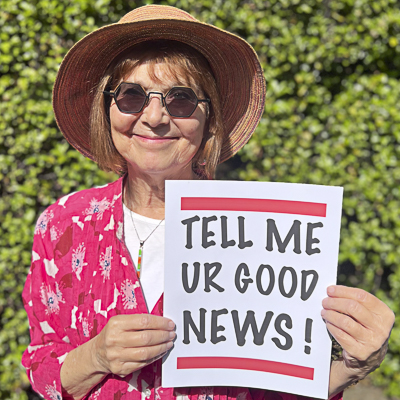
READY FOR SOME GOOD NEWS?
This post is part of my ongoing series of articles on surviving the pandemic, if possible with some remnants of our sanity and good humor intact. Each week I provide tips, strategies, and reasons for hope.
I’d be happy to send you a quick note when I publish new stuff.
Sign up HERE to get free stories in your inbox each week.
Feel free to share this post link
with family and friends.
https://www.enjoylivingabroad.com/my-blog/what-i-learned-thanks-to-richs-happiness-course
Leave a Reply