

When friends offered to take me to a dive bar in San Francisco, I was a trifle worried it would turn out to be hopelessly trendy, serving $25 cocktails and gluten-free vegan cuisine garnished with three kinds of Himalayan pink salt. But last night I was delighted to discover that
Glen Park Station
was the real deal: friendly and unpretentious, with a sticky wood floor, quirky signage, and a juke box belting out Frank Sinatra tunes. Rumored to be
a speakeasy in the 1920s
, it still keeps things anonymous with dim lighting and a cash-only policy.
The slightly seedy, mildly eccentric atmosphere was the perfect backdrop to our Asparagus Day celebration. Never heard of it? Me neither. But I’d recently stumbled across a strange factoid: on that very date in 1891, the first shipment of asparagus arrived in SF from Sacramento. Why was this important enough to be listed on a world history site? I have no idea. But in honor of the anniversary, I wore my new asparagus-green raincoat and brought fresh spears of asparagus for the five of us to use as swizzle sticks. We’re still working on the lyrics to our theme song, “Age of Asparagus.”
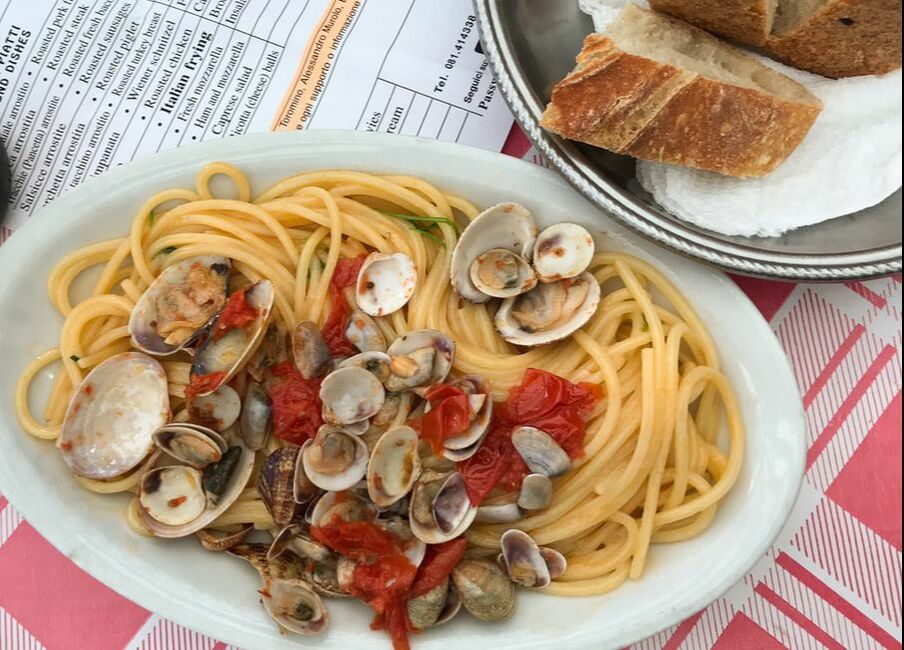
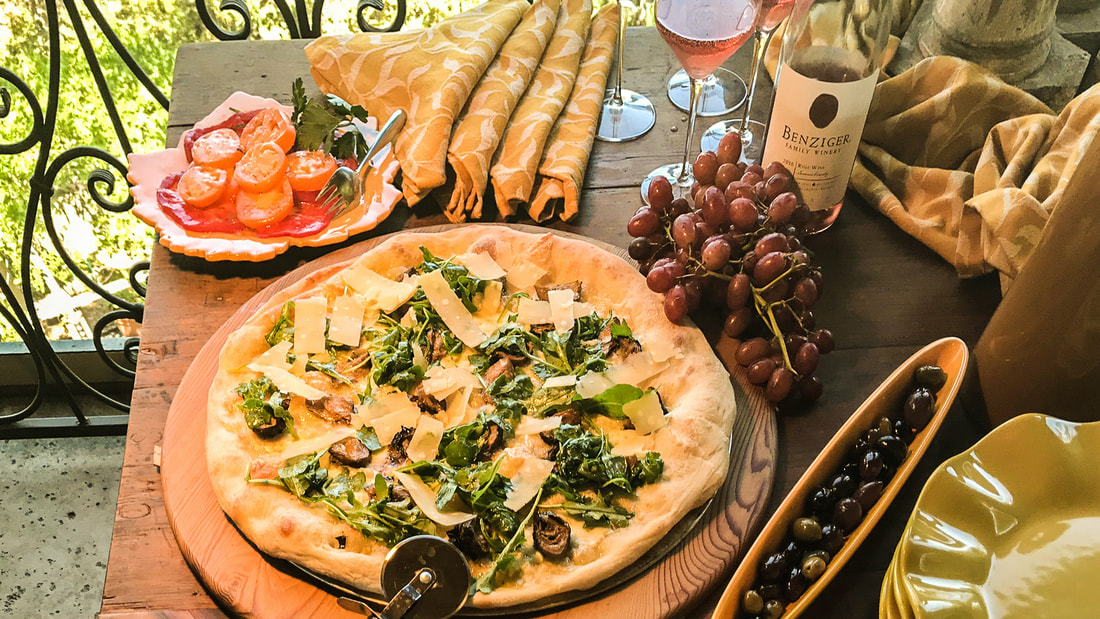
Later we strolled down the street for pizza, prosecco, and tiramisu — because hey, Italian food is always a good idea. Afterwards, replete and content, I reflected on how much the world owes to the countless generations of Mediterranean cooks who have defined the very concept of comfort food. Would life be worth living without pasta, olive oil, or gelato? Possibly, but the world would certainly be a lesser place without them.
Mediterranean food: it reminds us that it’s fun to be alive.
The idea that food should be eaten for pleasure did not loom large in my family. Like many Americans of my generation, I was taught to regard cooking as a scientific enterprise, a carefully calculated sum of fat, protein, and calories ingested for fuel and conveniently delivered via foods raised, prepared, packaged, and sold by a corporation. Every bite was a trade-off. “No more casserole for me or I’ll have to do an extra half hour on the Stairmaster tomorrow!” If you play word association games with Americans, you’ll find that the most common response to
“chocolate cake” is “guilt.”
Not so the Europeans. The French say “celebration.” In Spain, when dessert arrives on the table, everyone leans forward murmuring, “
Que rico
!” How rich! And nobody turns down a slice.
In much of Europe, there’s a common understanding that feeling guilty about food isn’t sensible;
au contraire
, food is welcomed as a friend. Older Sevillanos still remember the desperate shortages following the Civil War, when no one got enough fat, calories, or protein, and all too many were forced to eat pigeons or pets to survive. Today’s Sevillanos take enormous delight in sitting down to dine on such classics as
solomillo al whiskey
(pork loin in whiskey sauce, smothered in garlic) and rising from the table with a pleasantly full belly.
Most of the foods we consider Mediterranean classics were born out of such shortages, created by poor families struggling to put meals on the table in a region with notoriously rocky, sandy soil and searing summer heat. Cooks worked with what they could raise: olives for oil, seeds, beans, cereals, fruits, and vegetables, with a little fish, some cheese and yogurt, and practically no meat. People on this diet tend to live longer, healthier lives, so naturally this has spawned an entire industry of Americans busily analyzing its success. Just last month the Mediterranean diet was declared
2019’s best overall diet
by US News & World Report, scoring top marks in the categories of best diet for healthy eating, best plant-based diet, best diet for diabetes, and easiest diet to follow.
But for the millions who live the lifestyle, it’s simple. Nutrition guru Michael Pollen summed it up neatly in just seven words:
eat food, not too much, mostly plants
. The key, he explains, is to eat fresh, authentic, unadulterated food, not products loaded with chemicals, additives, and excessive sugar — all of which can leave you unsatisfied, and craving more. When you must buy packaged food, read the label. If it contains ingredients you can’t pronounce, or if sugar’s among the first three ingredients, you’re better off choosing something else.
Another key element is
enjoying your food slowly and, when possible, in good company
. We’ve all watched movie scenes in which three or four generations gather in a garden at a long table loaded with gorgeous food and bottles of wine, with kids and puppies playing underfoot. If you’re thinking that’s life the way it should be lived, you’d be right. Eating a leisurely, communal meal usually means you’re eating a more varied mix of better, fresher foods, and by taking your time, you digest them better, feel fuller on less, and enjoy yourself more.
The bottom line is this: Mediterranean food is great for your heart, both medically and metaphorically. The good news is, you don’t have to travel to Europe to experience it. In fact, the best Mediterranean fare is made right in your own kitchen and shared with the people you love. To help you get started, here are a few recipes to play with.
Bon appetit
!
Check out my food videos to learn how to prepare some of my favorite Mediterranean dishes.
PIZZA: COMFORT FOOD FROM THE CHAOS OF NAPOLI
MAKE THEM A PESTO THEY CAN’T REFUSE
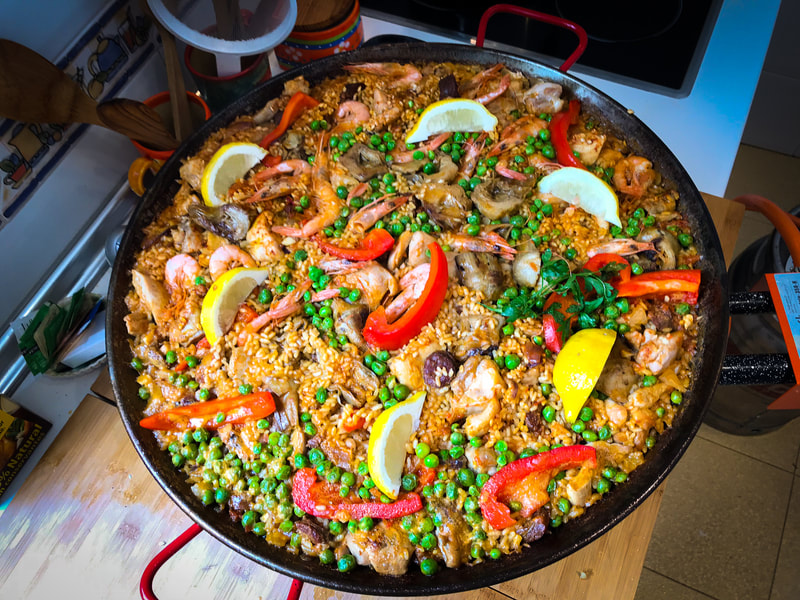
RICH’S PERFECT PAELLA
Want more? Here are fabulous recipes (most of which I haven’t tried yet but they’re on my list):
20 Best Mediterranean Recipes of 2018
My Greek Dish
Spanish Sabores
Great Italian Chefs
9 Classic Dishes from Provence

Leave a Reply