“So I need to come up with a topic for this week’s post,” I said to Rich, as I pushed open the door to a
cerveceria
(beer house) on the outskirts of Seville. The usual Sunday lunch crowd was gathering: parents with adult kids and grandchildren, long-married couples, a cluster of single men in the corner by the TV, watching the game.
The chef’s wife shouted a welcome over the hubbub, and we called back greetings as we threaded our way to one of the plain wooden tables at the back. The waiter hurried over with a white paper tablecloth, and Rich picked up the napkin dispenser while I lifted the menus. After putting the table in order, our waiter leaned forward confidentially, flipped open one of menus, and pointed to the words
pollo al campo
.
“The country chicken is really good today,” he said, as he always did. “From our place in the country. Delicious. Also the
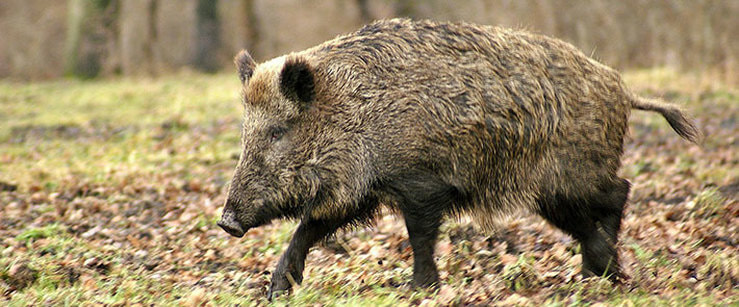
wild boar
.”
When the waiter left to fetch our drinks, Rich and I considered our options and agreed, as we usually did, that the
pollo al campo
really was too delicious to pass up. I began again, “So about this week’s post…” A great shout went up from the
futbol
corner as someone — judging by the joy, someone on the home team — scored a goal. Behind us, a chair fell over with a crash, and a small boy hurried past, trying to look innocent. Our waiter returned with ice cold beers, a bowl of olives, and a basket of bread. I gave up any attempt at conversation and just sat back to enjoy the atmosphere that locals call
Sevilla profunda
(profound Seville).
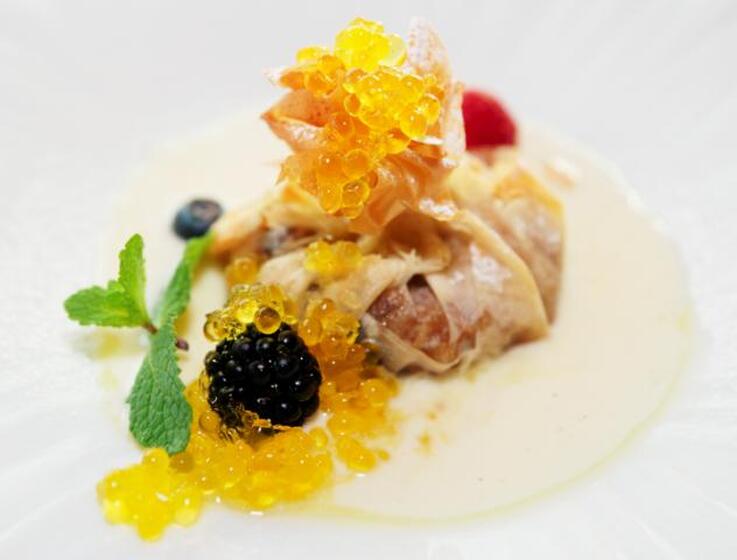
There is something wonderful about a solidly unpretentious eatery, with serviceable furniture, regular customers, and nothing that even pretends to be “décor.” In a place like this, you can relax knowing you’ll find the same hearty, delicious dishes that have been satisfying locals for generations. You need never worry that the chef will suddenly become inspired to force-feed his neighbors the kind of small-portioned, trendy fare that comes from studying molecular gastronomy in Paris.
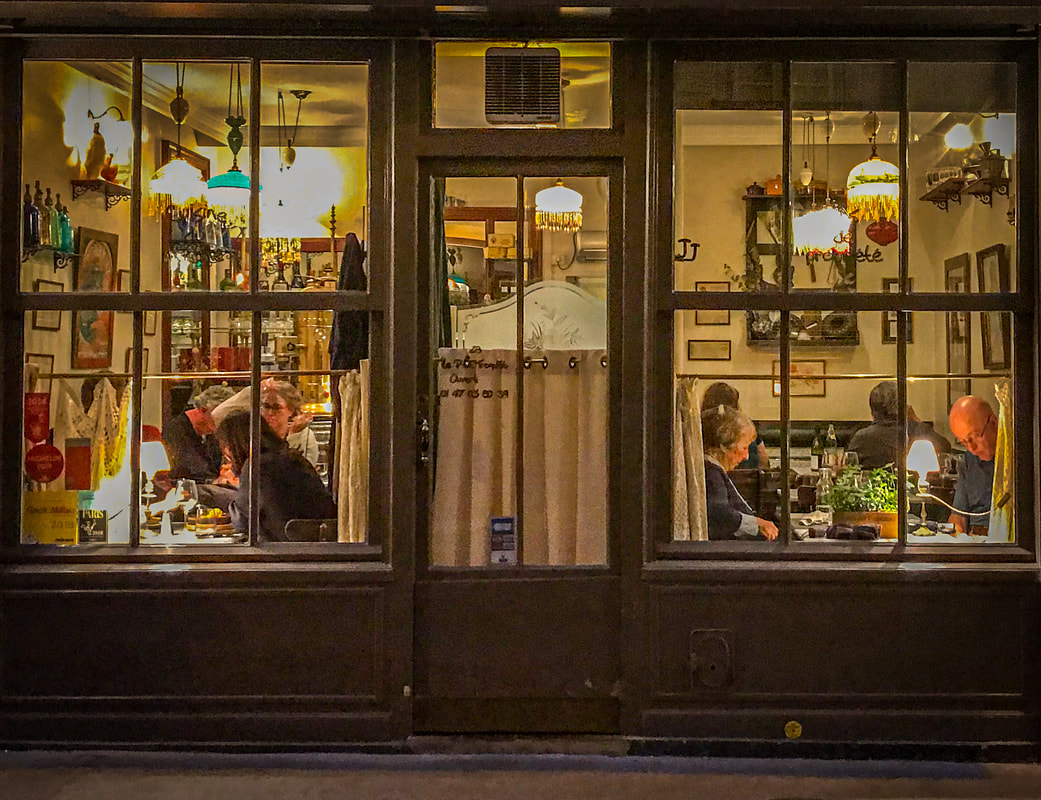
Don’t get me wrong; I love and respect Parisian cuisine. And it continues to set an ever-higher bar for world gastronomy, offering breathtakingly original versions of beef curry udon, deconstructed paella, and amusingly reimagined Mexican enchiladas. But visiting the City of Lights last month, I kept feeling something was missing. Finally one night, while sipping excellent sangria in a trendy
boîte
with a carefully cultivated dive bar theme, I figured it out.
“Every meal has been great,” I said to Rich. “But where’s all the French food?”
The answer is: disappearing fast. Having watched this phenomena take place in Seville, I shouldn’t have been surprised to encounter it in Paris as well. It’s called culinary displacement, and it’s what happens when trendy new eateries burst on the scene, followed by thinly disguised corporate chains with low-priced pizza and hamburgers; the glut of options leaves traditional restaurants marginalized if not outright defunct. Lucky for me, Sevillanos have a long history of stubbornly clinging to their traditions, so there will always be classic neighborhood
cervezerias
around, although they’re getting harder to find in the tourist-filled city center. In Paris, according to food writer
Alexander Lobrano
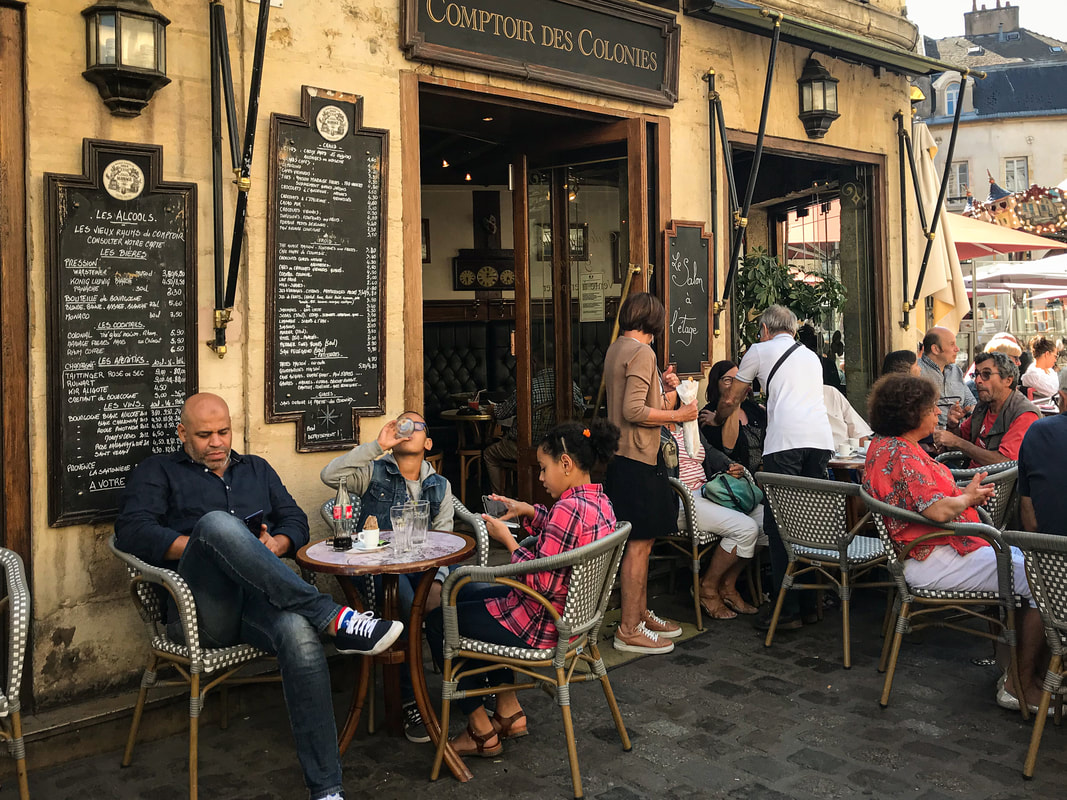
, the situation is more dire. “Today, rather than being the ballast of the Paris restaurant landscape, ‘real’ bistros are now marketed as nostalgic curiosities where you often pay a steep price for the privilege of eating ‘real’ French food.”
Mon Dieu
, say it ain’t so!
The disappearance of bistros is appalling news for travelers — not only because we’re losing the opportunity to enjoy
coq au vin
and
bœuf bourguignon
in their native habitat, but because we’ll have fewer opportunities to connect with what it means to be French. Part of the fun of visiting foreign lands is immersing yourself in the atmosphere, enjoying the spectacle of everyday life playing out in a way that’s profoundly characteristic of that particular place. It offers us illuminating glimpses of their culture and often teaches us something about our own.
That’s not going to be happening so often in Paris these days, but I can assure you that large swaths of Europe remain untouched by culinary displacement. In Dijon, for instance, restaurant hours are as inflexible as Old Testament commandments. Stay open past 1:30 for lunch? Are you mad? The fact that hungry tourists are standing at the door waving fistfuls of euros doesn’t make anyone budge by so much as a nanosecond. Is this attitude annoying? Intensely. But it’s also very, very French.
Americans and
les Français
have long lived in a state of mutual incomprehension. “In Paris,” said Mark Twain, “they simply stared when I spoke to them in French; I never did succeed in making those idiots understand their own language.” Is Paris a better place now, when we’ve convinced it to bow to economic necessity and offer us food we recognize, menus in English, and opening hours that suit our schedule?
Spain is under considerable pressure to adapt to standard hours set by the European Union, and many northern cities have dispensed with the long mid-day break that allows time for lunch at home followed by a siesta, with work lasting later in the evening to compensate. Seville is stubbornly refusing to change, at least for now. Most businesses and shops still close for three hours at lunchtime and all day on Sunday, giving families and friends time to gather at home or meet up in neighborhood places like our favorite
cerveceria
.
When our
pollo al campo
emerged from the oven, the chef himself carried it to our table and carved the bird for us. It was a true country chicken, sturdy rather than artificially plump, the dark meat a deep brown color, the skin glistening and crisp. It was served in an old-fashioned black pan, atop a mound of fried potatoes, the whole thing swimming in a sauce of chicken fat, wine, and salt. No doubt it was served in precisely the same way in the chef’s grandmother’s time. Rich raised his glass. “To
Sevilla profunda
,” he said.
“About that topic for this week’s post,” I said. “I think I have an idea.”
YOU MIGHT ALSO ENJOY
DAZED & CONFUSED IN DIJON, FRANCE
WILD BOAR & OTHER TAPAS YOU MUST TRY
LUGGAGE-FREE TRAVEL IN FRANCE
Keep in touch by signing up for my mailing list!
Don’t miss a single loony adventure or mouthwatering recipe.
YES! SEND ME UPDATES

Leave a Reply