“I may not have gone where I intended to go,” said author Douglas Adams, “but I think I have ended up where I needed to be.” Wise words that I like to cling to, whenever the Universe — exercising its famously quirky sense of humor — decides to upend my plans.
As it did last Wednesday.
I’d intended to spend that day enjoying a short road trip and was busy consulting bus schedules when it suddenly dawned on me that was the date of Spain’s general strike — which of course included transit workers. Even if I managed to get out of town, I could find myself stranded. Time to pivot.
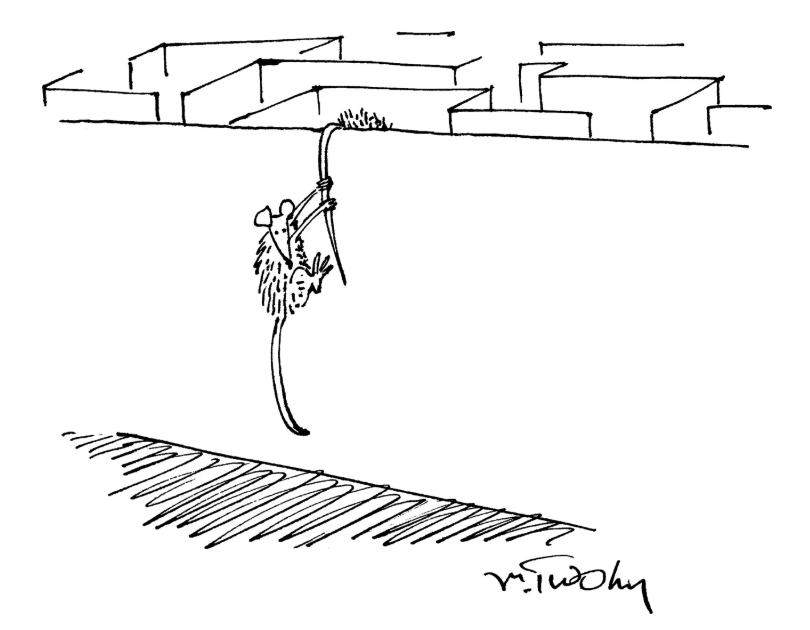
As you know, it’s been a crazy couple of weeks here in Europe. Demonstrations, even riots, have broken out in France, Germany, and (shocker!) Switzerland as well as Barcelona. Seville took precautionary measures, with plenty of police presence and a few of the larger stores boarding up windows, but aside from a small, orderly march or two, there wasn’t much going on. When Wednesday’s general strike rode in on a torrential downpour, everyone wisely stayed home.
Except us. Rich and I ventured out into the streets, umbrellas aloft. “Let’s look at this as our weekly expedition,” I suggested.
We wandered the familiar streets with fresh eyes, alert to signs of the strike.
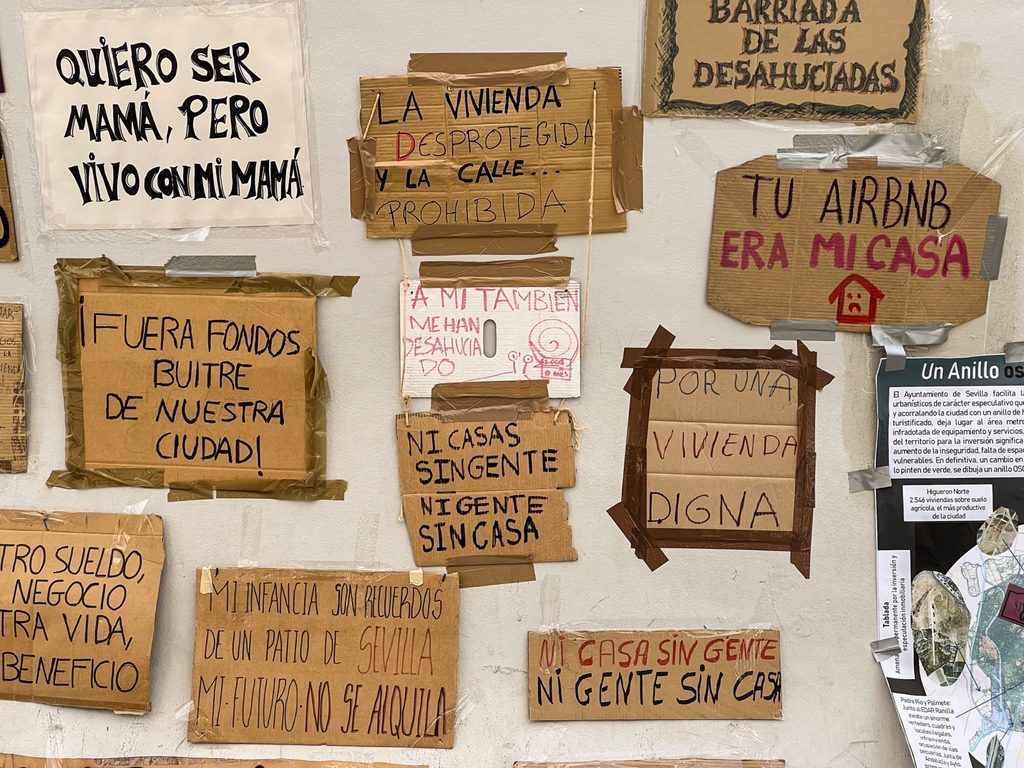
Honoring the strike, most commercial establishments were closed and shuttered, giving us the opportunity to admire the latest efforts of the local graffiti artists. A few cafés, shops, and food markets were open to provide the necessities of daily life and offer disgruntled-looking tourists somewhere to duck in out of the rain.
“Hey, here’s an idea,” I said.
Rich’s face took on the wary expression that tends to greet these words.
Nevertheless, I persisted. “Let’s go see if the Museo de Bellas Artes is open; we can get into the spirit of the day by visiting Las Cigarerras.” This is one of the fine arts museum’s most famous works, a monumental painting of the women who worked in The Royal Tobacco Factory.
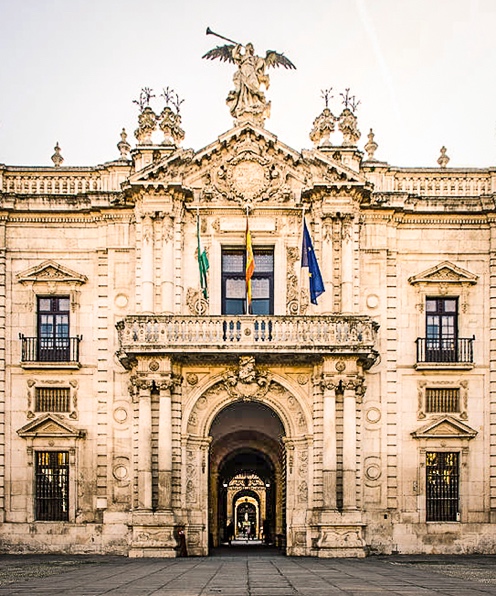
“Seville’s cigarerras were the first European women to work outside the home, a family business, or the streets,” a Spanish friend told me when I first moved to the city. “The Tobacco Factory hired them for their small, nimble fingers and because they could pay them less. Most were in desperate circumstances, having left abusive husbands, gotten thrown out of the family home for being pregnant, or were being shunned for their rebellious spirits. Nonconformists, Gypsies, runaway nuns — they all wound up here, working, gaining economic independence for the first time in history.”
During the nineteenth century, when up to 6000 women were employed by the factory, the all-female workforce became a political powerhouse. They organized protests and strikes, fighting for eight-hour workdays, flexible schedules, and the right to bring their infants to work; they laid the groundwork for labor unions across the nation. Locally, they are viewed as heroines.
Rich and I were in luck; the museum was open, and as we didn’t have to pay to enter, I didn’t feel we were violating the spirit of the strike. We made our way upstairs, past some of my other favorite works, which included a surprising number of paintings honoring uppity women.
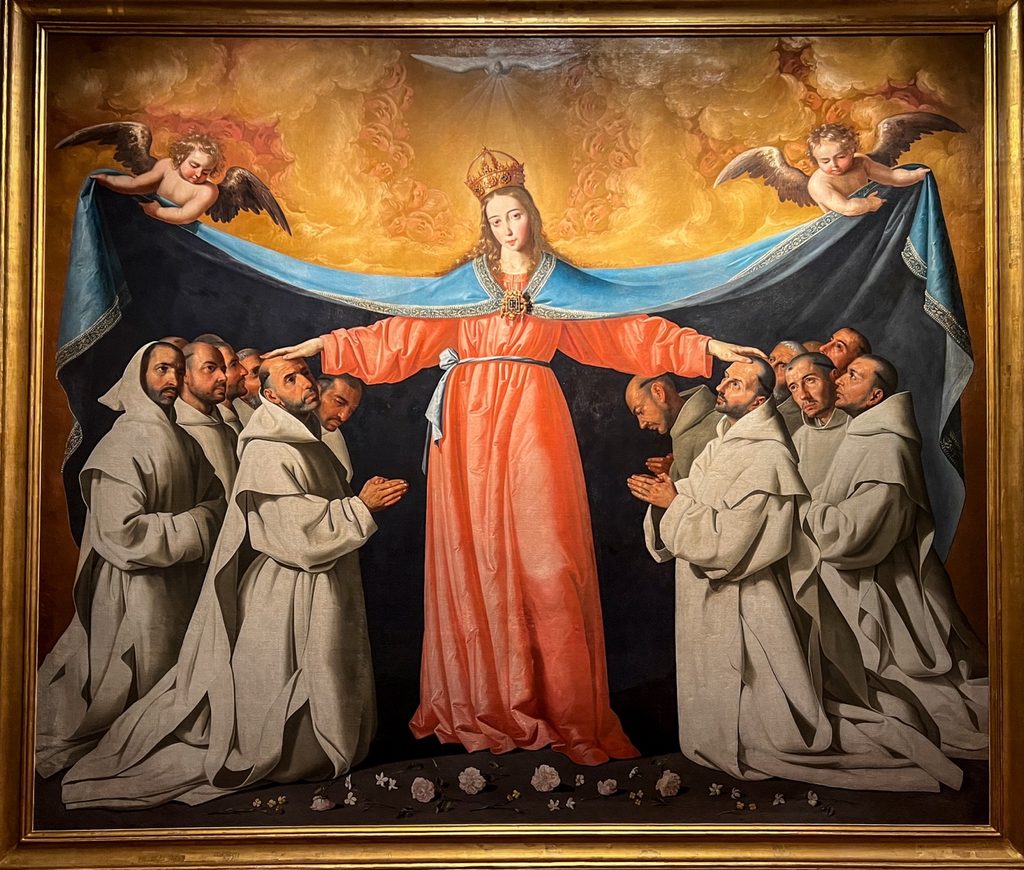
I call the one below the Sarcastic Virgin, because if you look closely, her expression says, “Oh, please. Do I really have to babysit these grown men?”
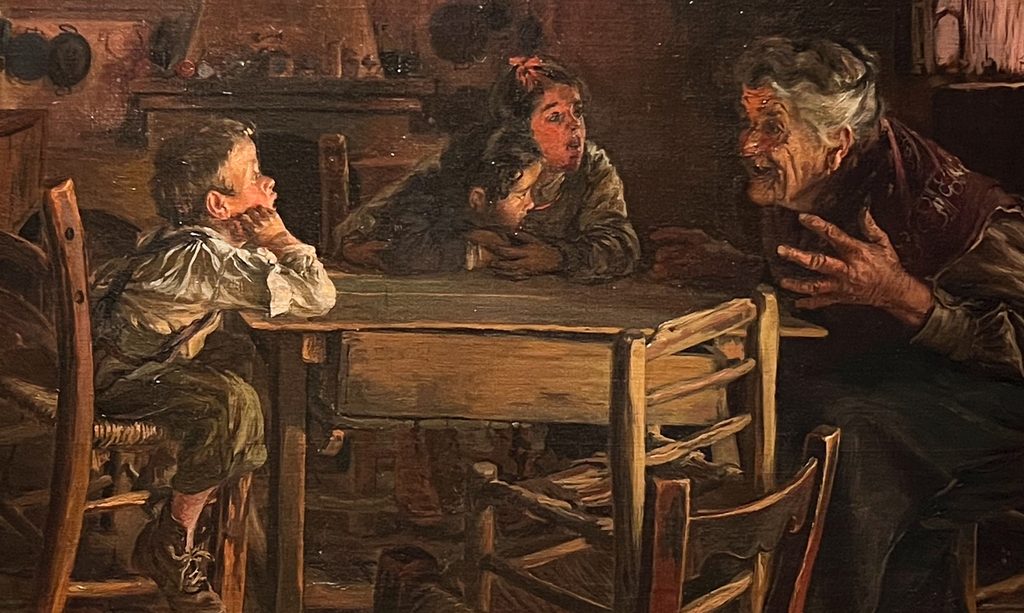
Another personal favorite is the Cuento de Brujas (Witches’ Tale) by Nicolás Jiménez Alpériz. You can tell the grandmother is having a terrific time scaring the living daylights out of these kids. And they’re loving every minute of it.
And then at last, we came to Las Cigarerras.
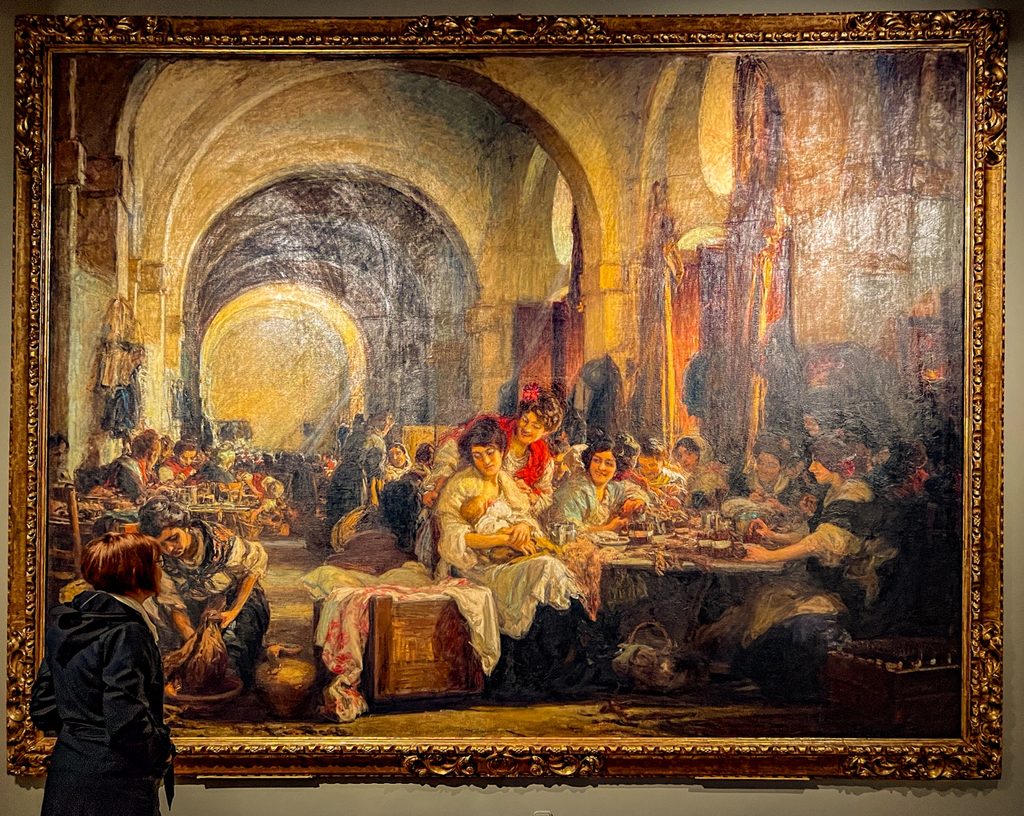
As always, I tried to imagine what it must have been like for these women, many of them outcasts, who found paying work, a place to raise their children, the solidarity of sisterhood, and a voice in European politics. Heady stuff indeed.
And their spirit lives on. Watching the BBC’s coverage of Spain’s general strike, I saw it shining in Carme Arcarazo, a passionate spokeswoman for the Tenants Union. “Over the last ten years,” she declared, “housing prices have increased more than 80% in Spain, food prices have increased more than 40%, and we see our energy bills and the cost of living going up while salaries remain still.” The woman knows how to make a point.
What’s the next upheaval on the horizon? Well, I’m fairly sure this is all nonsense, but the internet is currently in an uproar over a three-day global power outage allegedly planned for Tuesday, November 17 — yes, I know that’s tomorrow, which is why I’m sending out this post a little early. Just in case…
Why do people think this is happening? As you may have noticed, two weeks ago governments around the world started urging everyone to stockpile enough food and essential supplies to last 72 hours. They insist this is merely a precaution, and nothing to worry about, folks. Naturally this set off all sorts of alarm bells. We’ve all seen the movies where officials pass off alien spaceships as weather balloons or swamp gas, outbreaks of the plague are labeled flu, and shark-infested waters are pronounced perfectly safe for swimming. So make of this what you will.

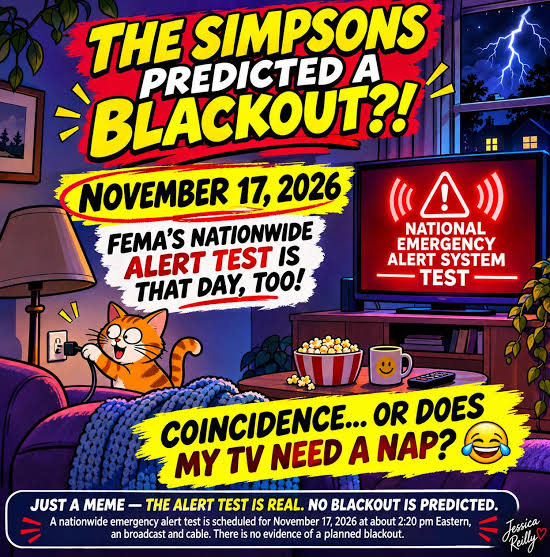
Then the US government announced it was scheduling a test of the emergency broadcasting system for November 17, starting at 2:20 Eastern time (8:20 pm here in Spain). So everyone seized on that as the blackout’s official start time.
And then, to put this whole conspiracy theory over the top, someone remembered a 2023 Simpson episode predicting a massive power outage. And the date on the calendar? November 17. I couldn’t make this stuff up.
This episode, titled It’s a Blunderful Life, is set in the future and shows an elderly Lisa Simpson recalling a disastrous power blackout with her diary open to the date November 17. Of course, no year is mentioned, and the blackout affected Springfield, not the entire world, but hey, let’s not quibble over details.
And as if all that wasn’t enough, someone did the math, adding up the number of days between Trump’s January 20 inauguration and November 17 which comes to (drum roll, please) 666. (For those readers who didn’t grow up taking catechism classes or bible study, that’s the mark of the beast, aka the devil.)
As I said, I’m fairly sure global blackout predictions are all nonsense. But just in case, I’m going to wrap up this post now so I can head over to the supermarket and stock up on canned goods and bottled water. If the worst happens, let me just say it’s been an honor and a privilege.
But I’m an optimist, so I suspect November 17 won’t involve anything more exciting than a one-minute test of America’s emergency broadcasting system. After that, of course, there will be a whole lot of people saying, “Who me? No, I never considered the threat to be real. I can’t believe all of you took it seriously. What were you thinking?”
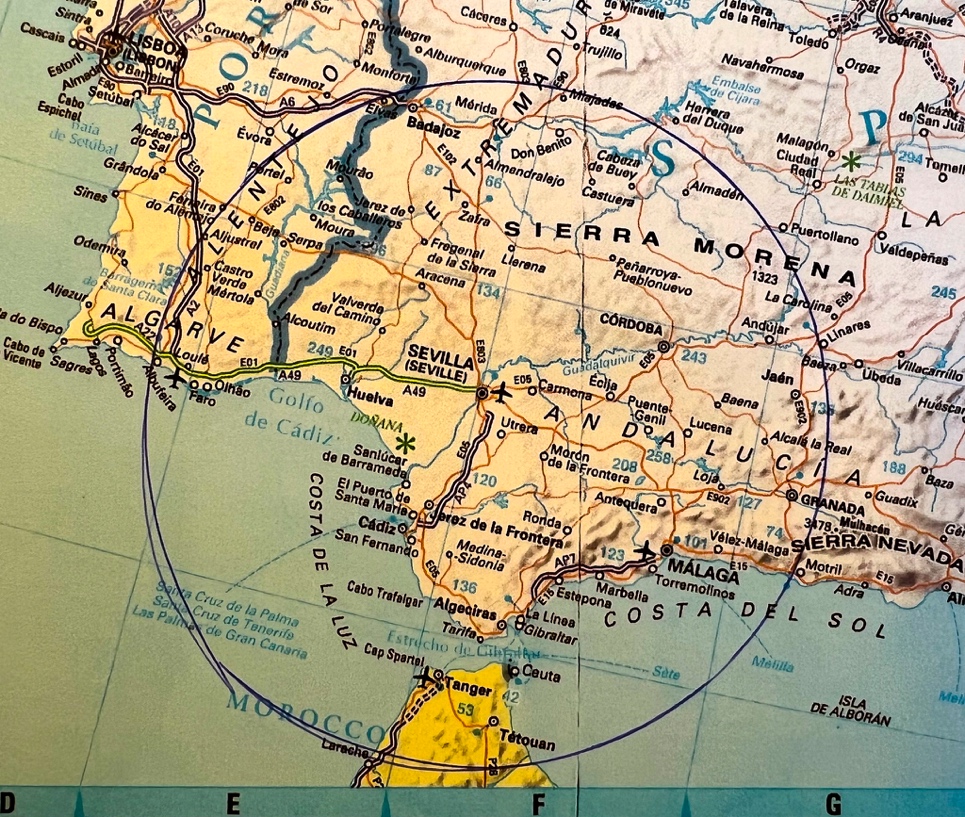
Learn more about our One-Tank Trips in my posts Great Escapes: Quick, Easy, Affordable Little Getaways and How far would you go for chocloate? Don’t miss a single adventure: subscribe here.

Leave a Reply