Every writer pens a few howlers over the years, but few have sparked as many guffaws as the New York Herald journalist who in 1897 told the world, “The sad news comes from London that Mark Twain is grievously ill and possibly dying. Worse still, we are told that his brilliant intellect is shattered and that he is sorely in need of money. Bravely and sturdily he fought up to the last …” To which Twain retorted with his famous zinger, “The report of my death was an exaggeration.”
Ernest Hemmingway delighted in his own oops obits. In 1954, when his sightseeing plane crashed in the Uganda jungle, false reports that he’d perished immediately circulated in the global press — and there were even more headlines when a rescue plane collected him, then crashed and burned on takeoff. Hemmingway survived and made a scrapbook of all the obituaries praising him as the greatest writer of his generation; he leafed through it every morning after breakfast while drinking champagne.
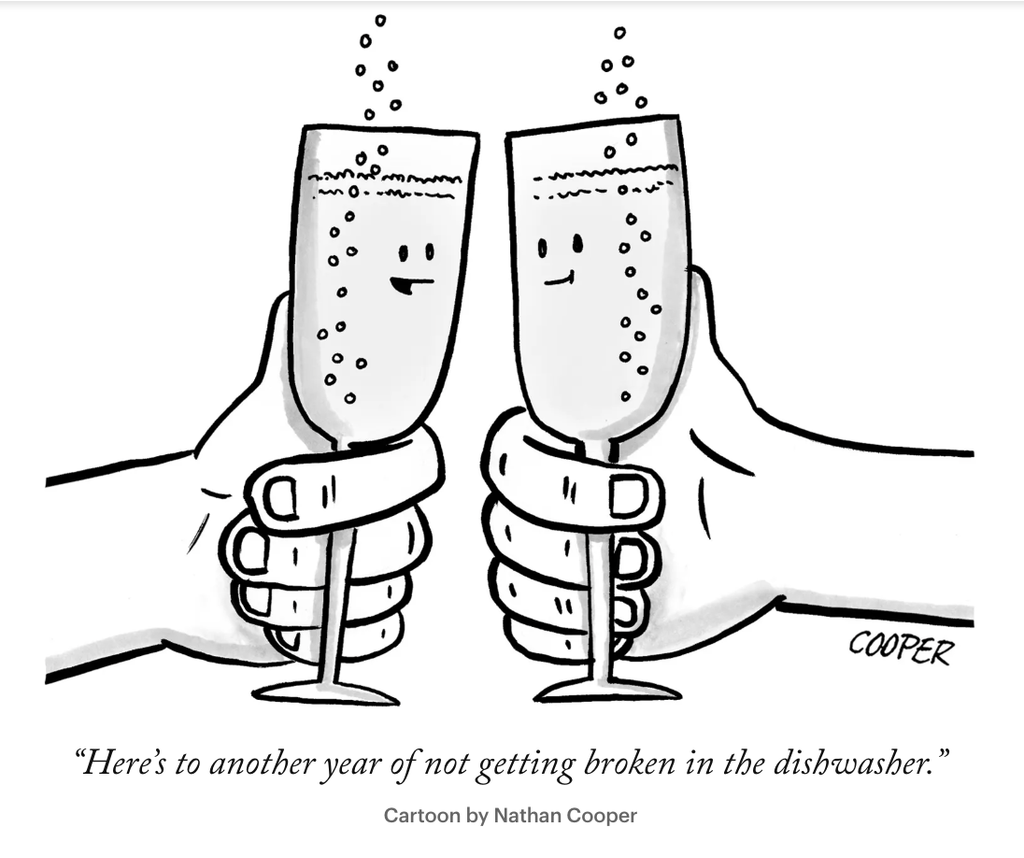
I hesitate to place myself in such august literary company, but I, too, have recently fielded enquiries relating to my demise. “Are you guys planning on dying any time soon?” wrote one of our nephews, apparently startled to receive an updated estate document mentioning his role in the distribution of our personal effects. I told him not to worry, Rich and I are in fine fettle, living a Blue Zone-style life that we’re hoping will keep us going well into our hundreds.
The update was prompted by my realization that the talented young whippersnapper we’d hired thirty years ago to manage our financial affairs is nearing retirement age. Rich and I began identifying a few youngsters to take on some of his duties, and I soon learned that revising your estate documents is like making kitchen repairs: You start with replacing that leaky faucet and the next thing you know you’re picking out floor tiles and pricing high-tech refrigerators. Suddenly nothing is fixed in place.
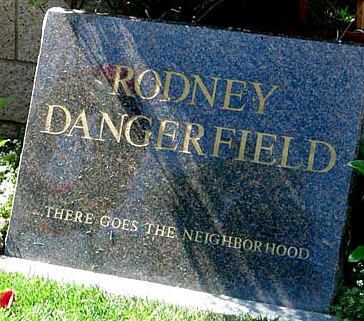
I don’t know if you’ve spent much time talking with lawyers and bankers about the final disposition of all your earthly belongings, but I find it as demoralizing as Swedish Death Cleaning and drafting your own tombstone. Yes, apparently that’s a thing, especially among writers. Robert Frost’s grave reads, “I had a lover’s quarrel with the world.” Humorist Dorothy Parker chose “Excuse my dust.” George Carlin originally wanted “Jeez, he was just here a minute ago,” but then he opted for cremation and scattered ashes — so I guess that clever line is still available, if anyone’s interested.
Carving a snappy one-liner on your headstone lets you feel you’re going out on a high note. And if America is still united about anything, it’s our love of happy, Hollywood-style endings. “You know that feeling. The credits start to roll, you sink back into your seat, and you just sit there for a moment, because the ending was so perfect, so earned, so completely right, that you almost don’t want to move,” says the narrator — ironically, a toneless AI voice — on a video ranking the top 20 movie endings of all time.
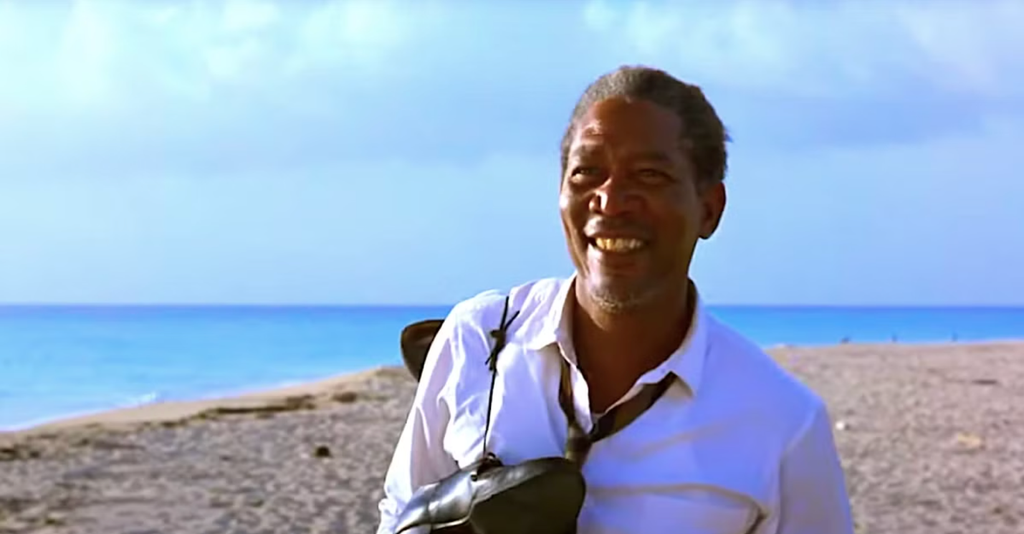
Their (its?) pick for #1 was Shawshank Redemption, Stephen King’s tale of two inmates who help each other survive prison and later meet up on a beach in Mexico. “For one long, golden, perfect moment, the world contains nothing but the possibility of reunion, of freedom, of a second chance at a life that was stolen.”
As Orson Welles famously remarked, “If you want a happy ending, that depends, of course, on where you stop the story.” And I’m profoundly grateful that (knock wood) my personal story seems unlikely to stop right now, because it would end on a wobbly note. As my regular readers know, Rich and I have survived endless household disasters this summer. We’ve supported friends, relatives, and neighbors through one hair-raising medical crisis after another. Meanwhile, the world is on fire, the clock is ticking down to the midterm elections, and a Godzilla El Niño is on the way. What, me worry?
It’s taking quite a lot of flailing and flapping, but I am managing to keep my head (just) above water — much like this roseate spoonbill. It lives in Florida on an alligator farm, so it’s no wonder the bird looks as discombobulated as I feel.

My mantra nowadays is self-compassion — which “isn’t some kind of self-improvement project or ideal that we’re trying to live up to,” says Buddhist nun Pema Chödrön. “It’s about befriending who we are already.” I tell myself I’m OK. (Yes, I am!) I use the Stop Method. And calling on the wisdom of George Castanza’s father on Friends, I walk around muttering, “Serenity now! Serenity now!”
Frankly, my serenity is hanging by a thread as I race around prepping to leave for Spain in (gasp) 23 days. Every waking hour is jammed with packing, errands, household projects, and community activities. This week’s highlight is Outlaw Bookworms, the book club that reads censored, challenged, and banned works. We’re each invited to discuss a favorite controversial work, and I chose The Universe versus Alex Woods.
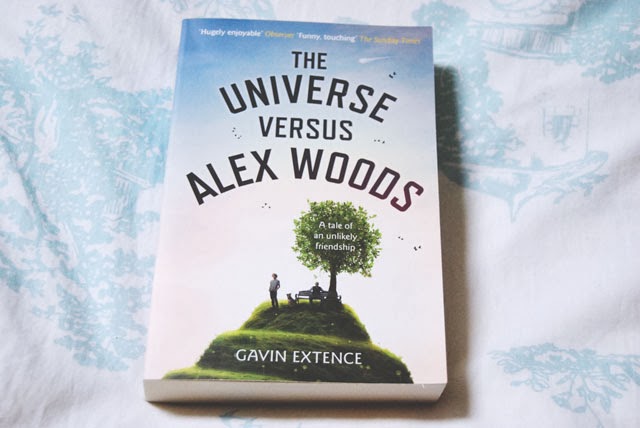
The plot: endearingly oddball teen Alex befriends his neighbor, the elderly curmudgeon Mr. Peterson, who contracts a hideous fatal illness. Sounds depressing, I know, but it’s actually an uplifting celebration of connection, compassion, and choosing our destiny. Spoiler alert: in the end, they drive from the UK to Switzerland so Mr. Peterson can self-terminate with dignity.
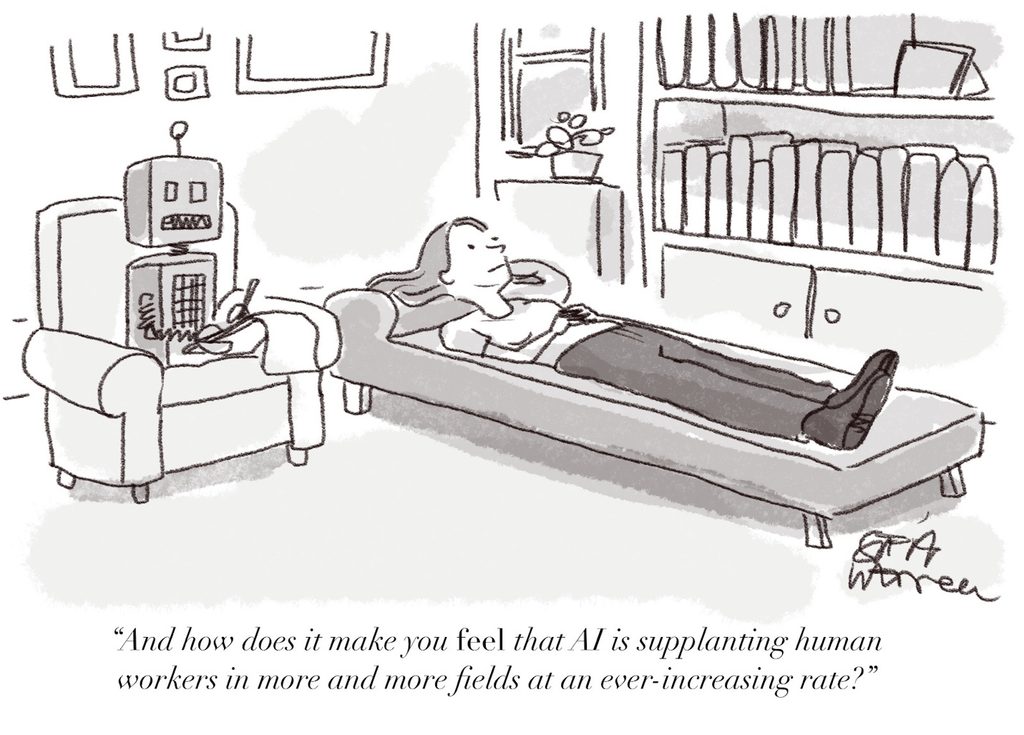
Curiosity prompted me to ask Google how many US states and European nations offer such options — and my computer screen instantly flashed a message urging me to phone a suicide hotline — NOW. I decided to consult my AI, Claude — but only after I carefully explained this was research for an article so it would feel comfortable filling me in.
Claude said thirteen states and nine European countries allow assisted dying. Switzerland’s generous laws make it a particularly good choice, but not an inexpensive one; the full package runs about $12,500, not including air fare. But hey, you can’t take it with you.
When I brought up the money angle, even Claude raised its metaphorical eyebrows. “If this topic is personal for you or someone you know, I’m glad to help you find support resources.” No thanks, Claude. Just asking for my readers. Really.
Of course, plenty of people are lucky enough to ease into the afterlife from the comfort of home. A Cleveland friend told me her mother sat up in bed, they toasted one another with champagne, and then her mom drifted off peacefully. A graceful exit.
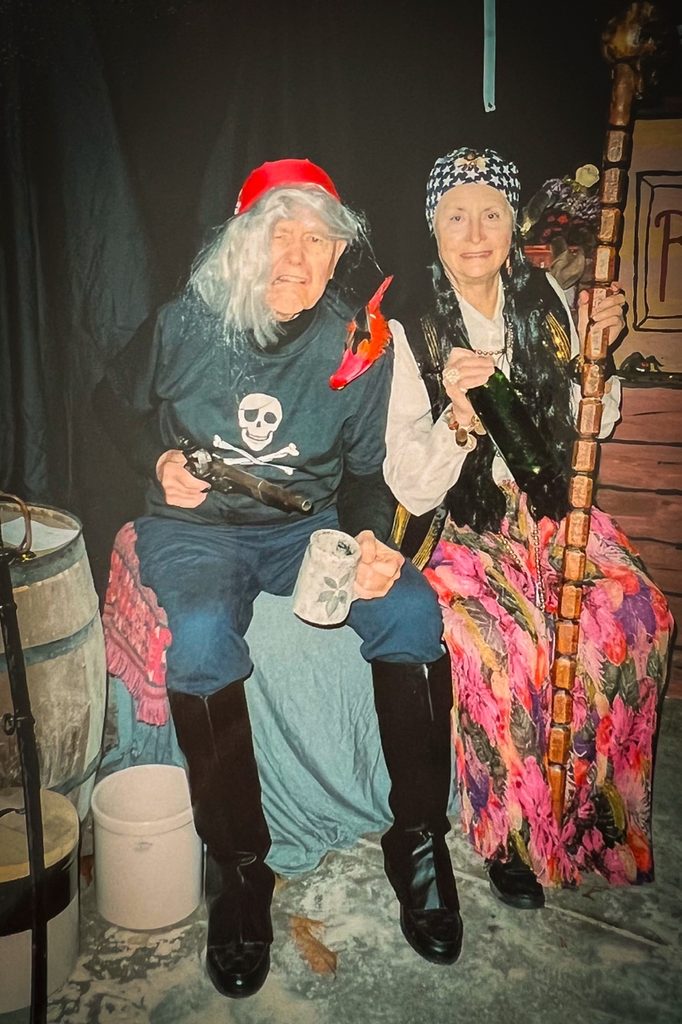
More importantly, as actor Peter Sellers put it, “You have to live before you die, or you’ll die before you live.” In the run-up to his passing at 93, my widower friend Bob had a steady girlfriend, drove his RV to Alaska, started writing a book, and helped Rich and me terrify the neighborhood children every Halloween, dressing up as Frankenstein, Gandalf, and one of Jack Sparrow’s swashbuckling pirates. He made his final days count, which is the best kind of happy ending.
And for younger readers who may have missed the “serenity now” episodes on Seinfeld, here are a few clips to give you the gist. You’re welcome.


Leave a Reply